
BARITONE | BASS
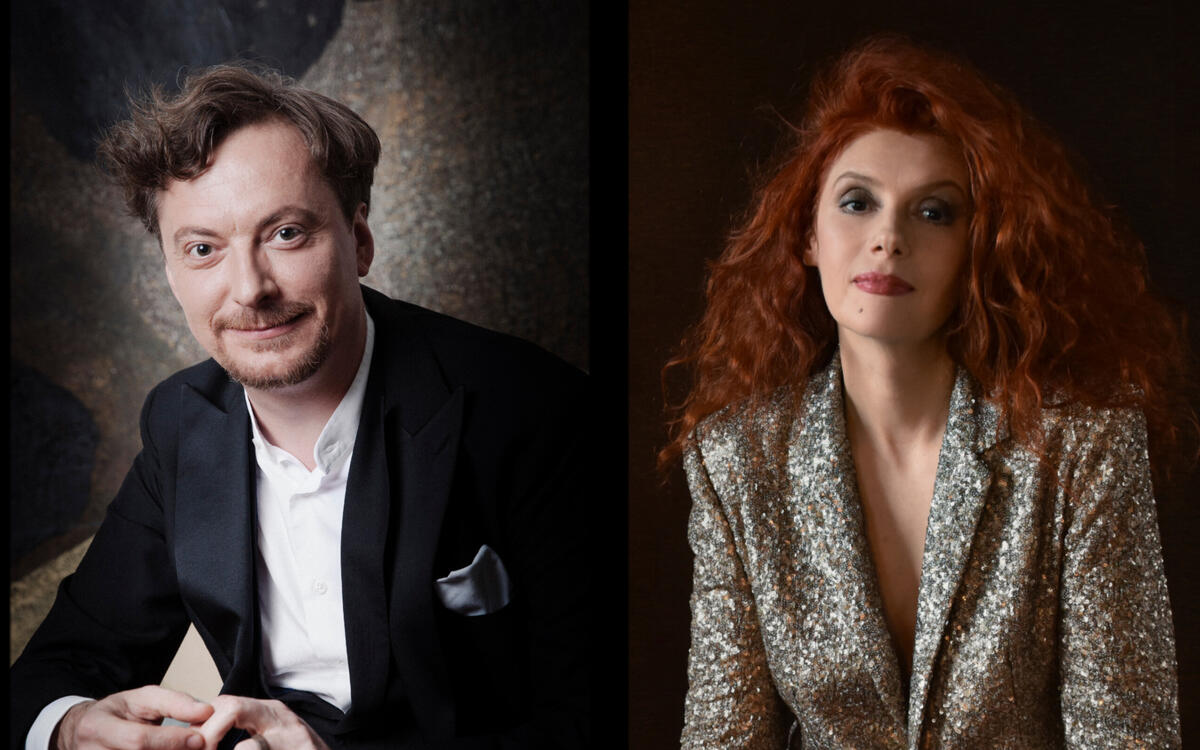
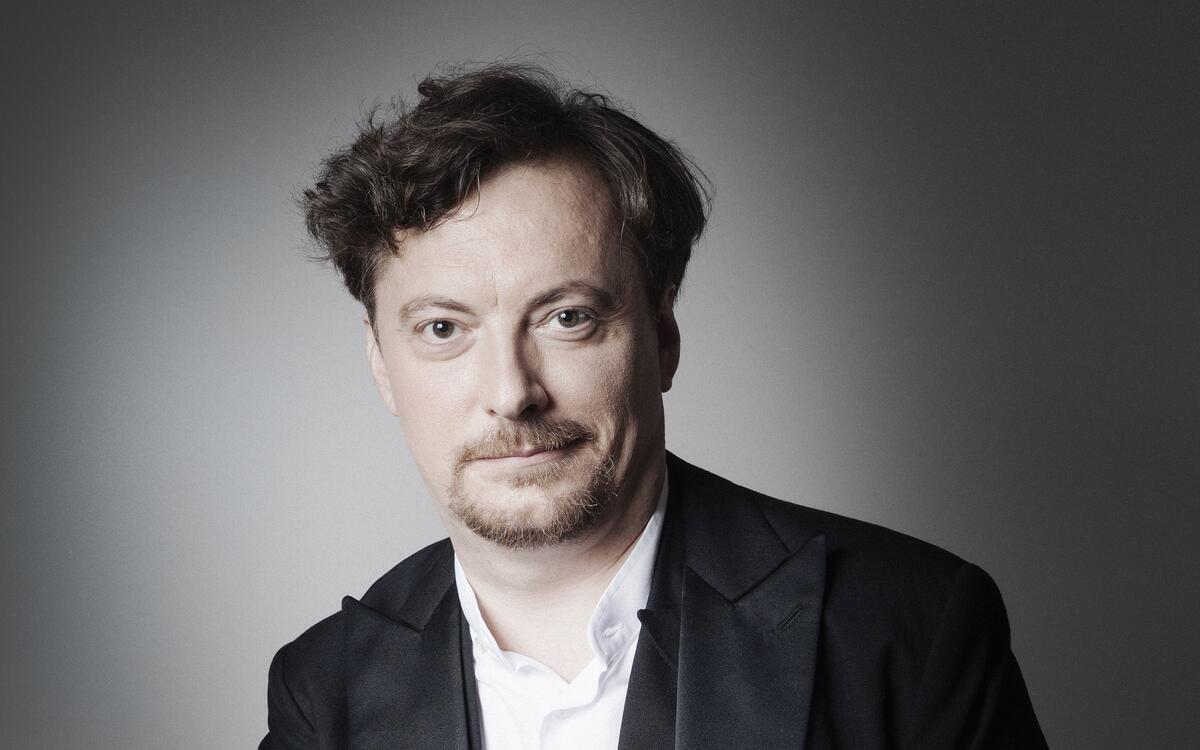
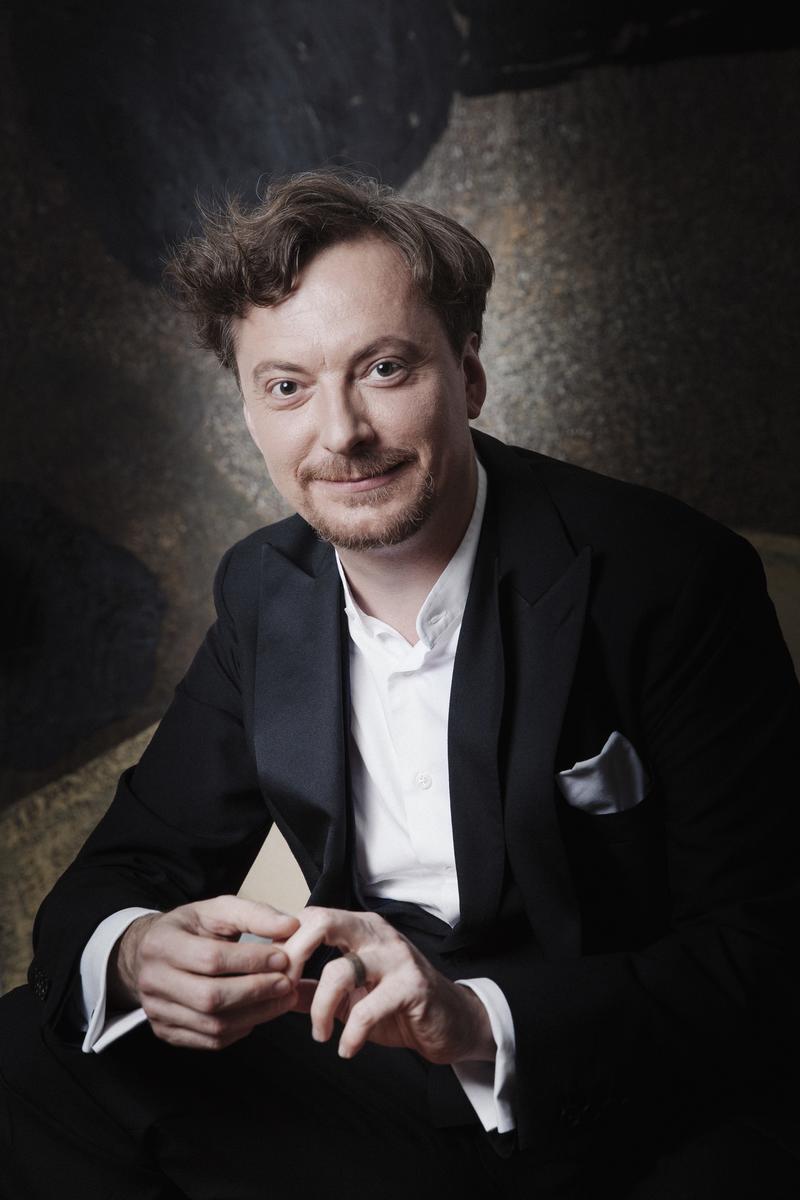
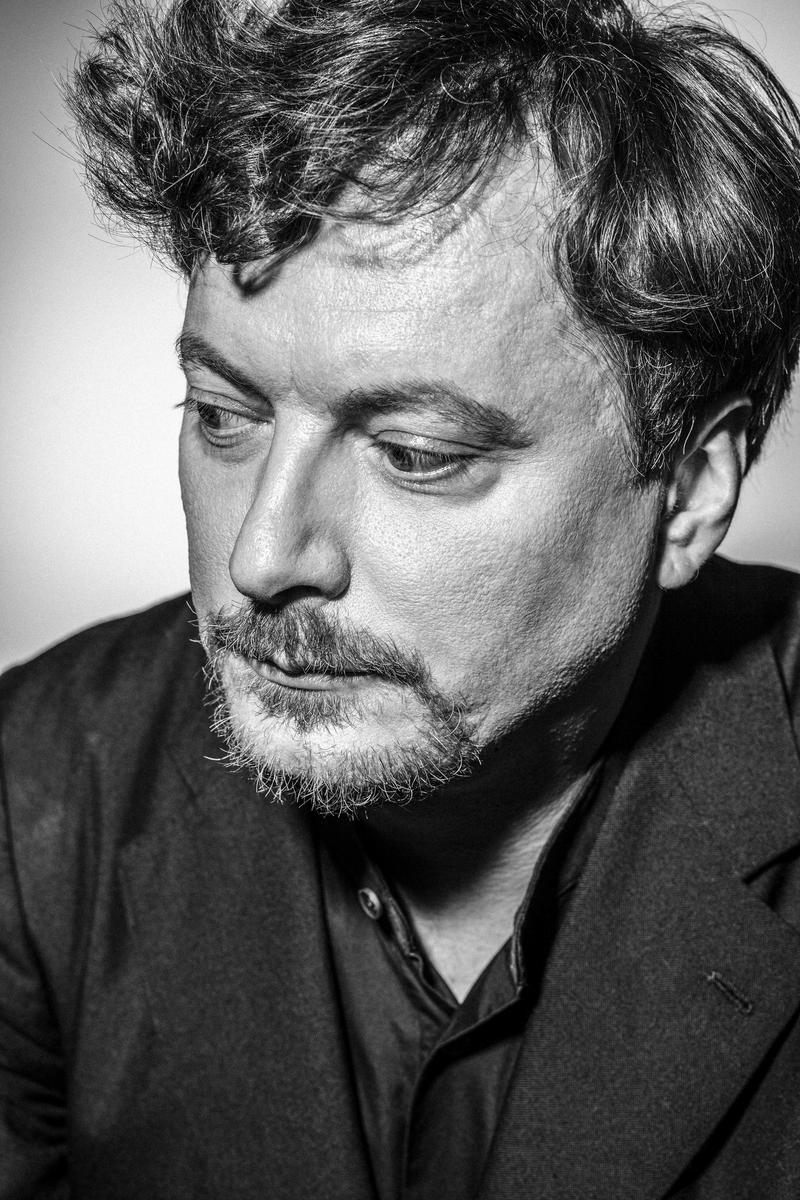
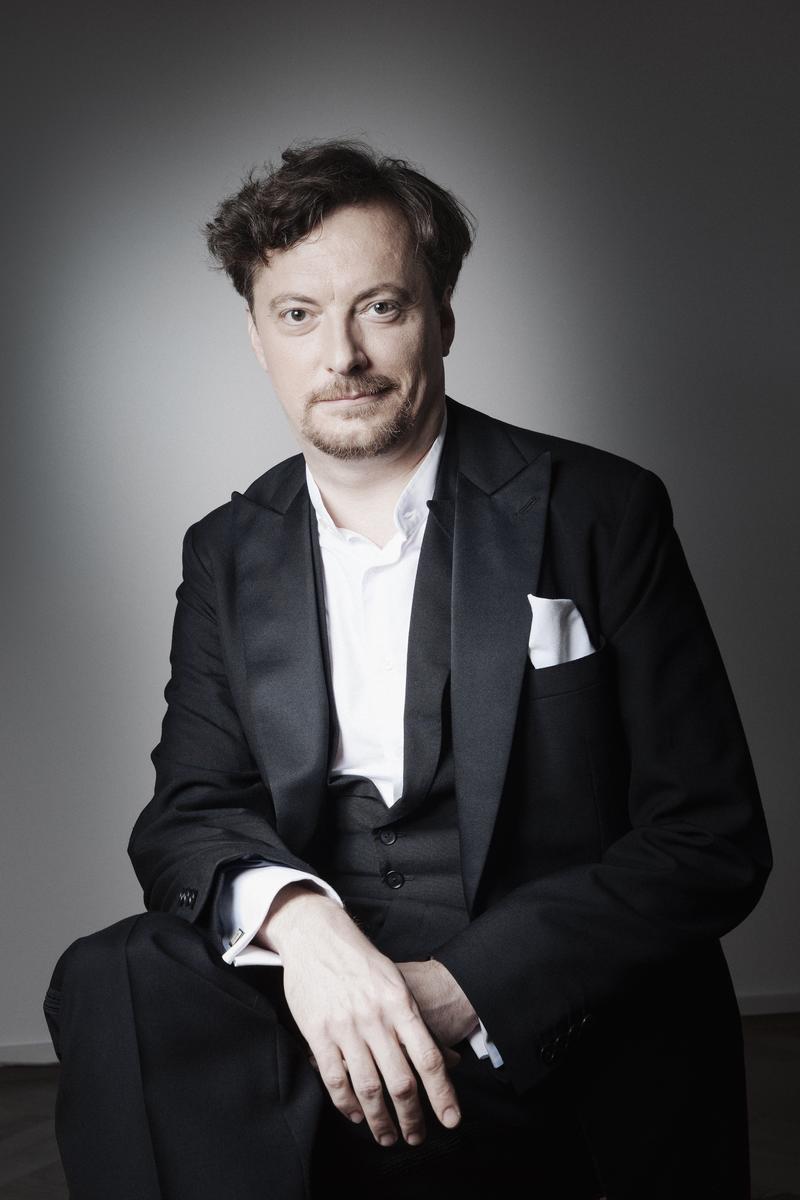
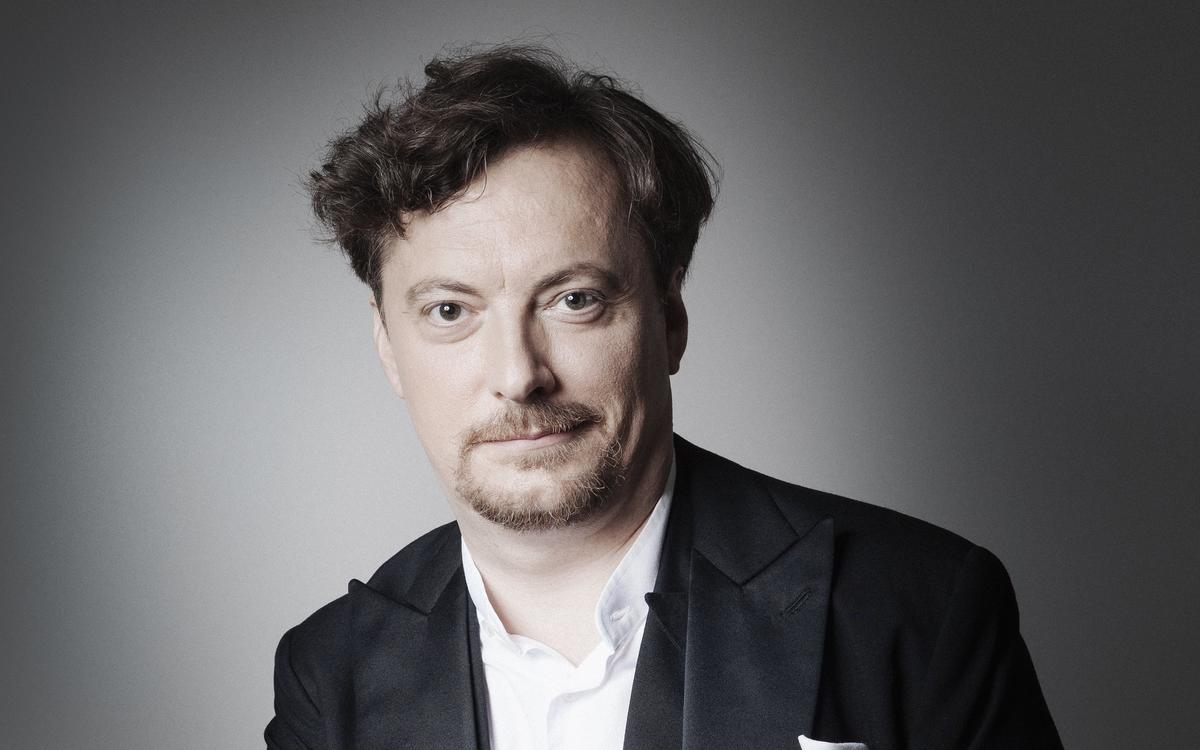
Georg Nigl
Representation: World
- Helga Machreich-Unterzaucher
- +43 (0)5 06 80-012
- machreich@machreich-artists.com
GALLERY


BIOGRAPHY
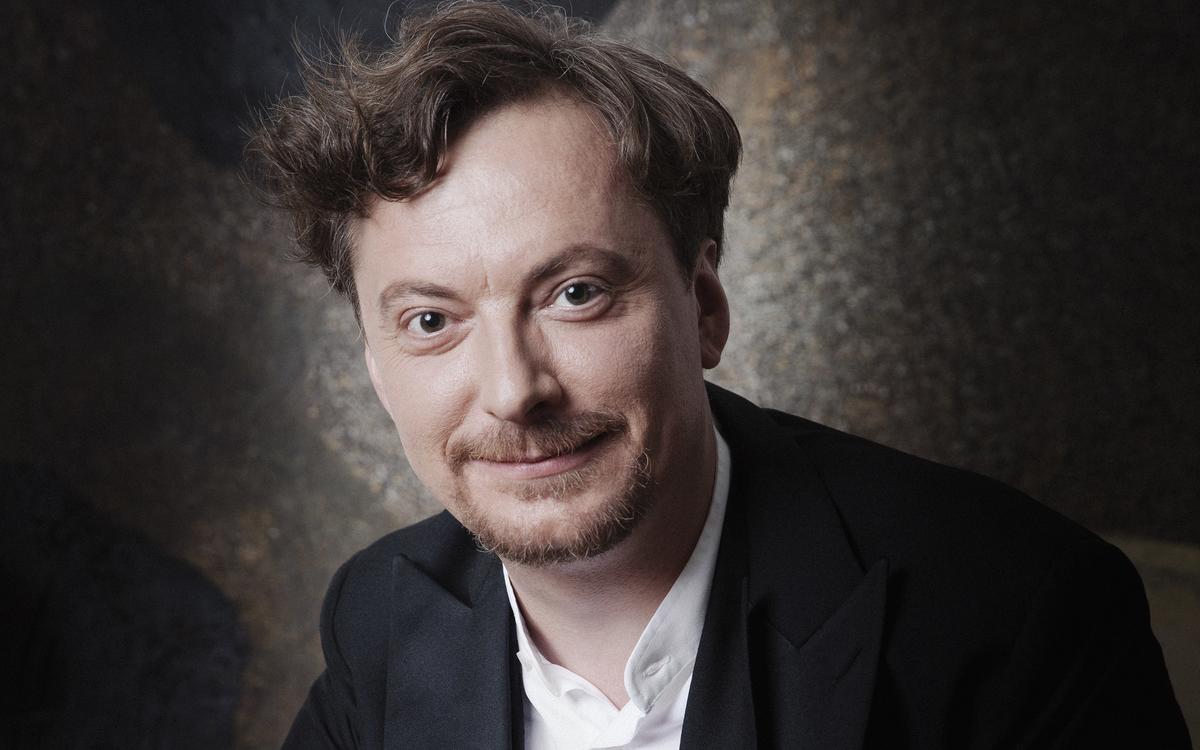
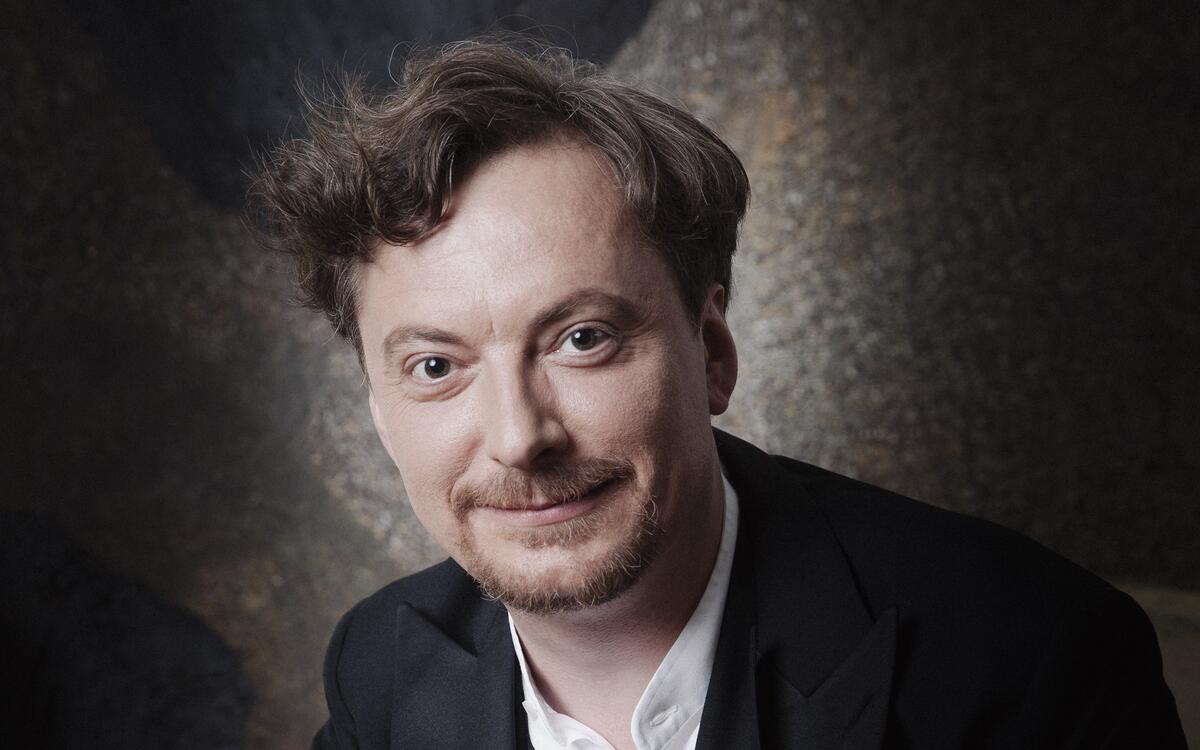
Georg Nigl continues to receive critical acclaim from audiences and critics alike for his passionate and authentic performances – be it his celebrated Wozzeck at La Scala in Milan, his portrayal of Rihm’s Lenz in Brussels and Berlin, or his interpretation of the Bach cantatas with Luca Pianca. Through profound and comprehensive study of his repertoire, his affinity for spoken theatre and the resulting emphasis on text and rhetoric, as well as his expressive portrayals on stage, make Georg Nigl one of the most celebrated baritones in the world.
Even as a child, Georg Nigl had a strong connection with music, performing on major stages as a soprano soloist of the Vienna Boys’ Choir. His studies with Kammersängerin Hilde Zadek served as a valuable stimulus to pursue his subsequent career as a baritone.
His unmistakable timbre, which lends his roles special weight and character, has taken him to the worlds most prominent opera stages. These appearances have included the Bolshoi Theatre in Moscow, the Berlin State Opera, the Bavarian State Opera in Munich, the Théâtre des Champs-Elysées, the Nederlandse Opera in Amsterdam and the Théâtre de la Monnaie in Brussels, as well as the Salzburg Festival, the Festival d’Aix-en-Provence, the Ruhrtriennale and Wiener Festwochen. On such occasions he has worked with renowned conductors including Daniel Barenboim, Teodor Currentzis, Valery Gergiev, Daniel Harding, Nikolaus Harnoncourt, René Jacobs, Kent Nagano and Kirill Petrenko, and with directors such as Andrea Breth, Romeo Castellucci, Frank Castorf, Hans Neuenfels, Johan Simons, Dmitri Tcherniakov and Sasha Waltz.
Georg Nigl has gained particular renown not only as the soloist in numerous world premieres, but also as the source of inspiration for compositions and publications by artists such as Friedrich Cerha, Pascal Dusapin, Georg Friedrich Haas, Wolfgang Mitterer, Olga Neuwirth and Wolfgang Rihm.
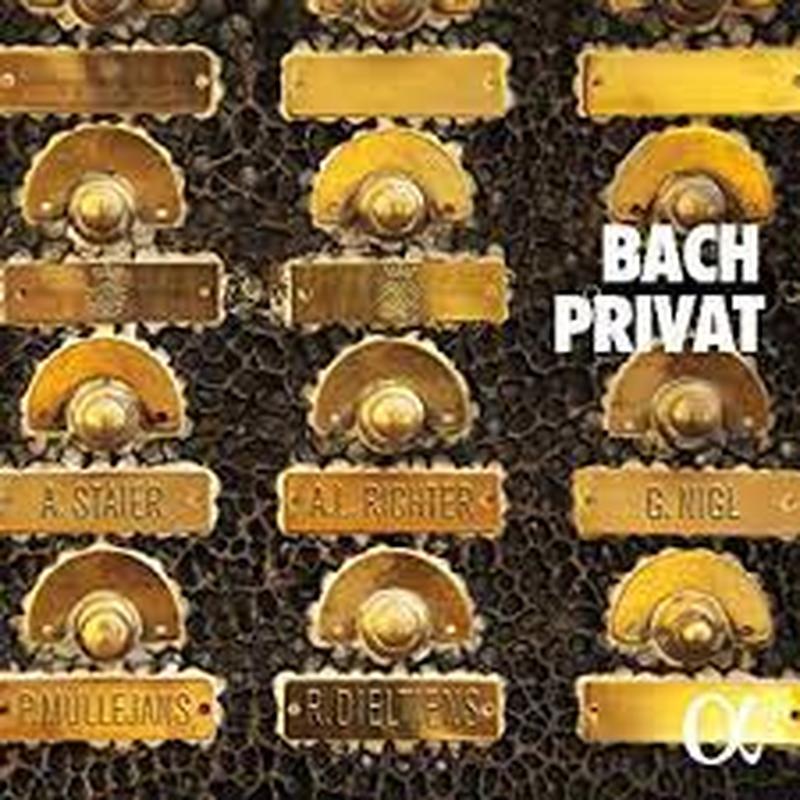
Georg Nigl’s chamber music repertoire spans a broad range, from the baroque to the first Viennese School and most recent works – jointly rehearsed and performed with Alexander Melnikov, Gérard Wyss and Luca Pianca. His album Bach privat with Anna Lucia Richter won him a Diapason d’or in November 2017. His song album Vanitas, released in the spring of 2020 and featuring Beethoven’s An die ferne Geliebte, selected songs by Franz Schubert and Wolfgang Rihm’s Vermischter Traum, received the German Record Critics’ Award in 2021. In spring 2023 he released his latest album "Echo”, featuring lieder and ballade by Schubert, Loewe, Schumann and Wolf, which received high praise among the press.
Highlights of the past two seasons include Papageno and the title role in the world premiere of Pascal Dusapin’s new opera Macbeth Underworld at the Théâtre de la Monnaie in Brussels, the title role in Monteverdi’s Orfeo and the world premiere of Beat Furrer’s Violetter Schnee at the Berlin State Opera Unter den Linden, the role of Eisenstein in Strauss' Fledermaus and the title role in Trojahn’s Orest at the Vienna State Opera. In addition, he performed the title role in Mozart’s Le nozze di Figaro at the Hamburg State Opera, while his Lenz was celebrated by critics and audience alike. His much-lauded, impressive portrayal of Pilate in the Johannespassion he performed under Sir Simon Rattle in the legendary staging by Peter Sellars with the Berlin Philharmonic, as well as on tour with the Orchestra of the Age of Enlightenment.
On the occasion of Wolfgang Rihm's 70th birthday, Georg Nigl performed Rihm's Terzinen an den Tod, together with the Wölfl-Lieder under the baton of Ingo Metzmacher in Munich in spring 2022. In summer 2022 he appeared at the Salzburg Festival in a concert performance of Rihm's Jakob Lenz, followed by Xenakis Ais conducted by Vladimir Jurowski at the Berliner Festspielen.
Further highlights were his Papageno in Mozart's Magic Flute, as well as the title role in the new production of Monteverdi's Orfeo at the Vienna State Opera - a role he also embodied at the Teatro Real in autumn 2022. Georg Nigl continued the Monteverdi cycle at the Vienna State Opera as Ulisse in a new production of Monteverdi's Il ritorno d'Ulisse in patria, also once again demonstrating his versatility with the role of Alberich in a concert performance of Wagner's Rheingold under Sir Simon Rattle. At the Aix-en-Provence Festival in 2023, Georg Nigl appeared as Don Alfonso in a new production of Mozart's Cosí fan tutte. It was with "Nachtmusiken" - a self-conceived serenade cycle that took place in the intimate setting of the Stefan Zweig Centre together with clavichordist Alexander Gergelyfi and actor Ulrich Noethen – that Georg Nigl provided a highlight of the Salzburg Festival in summer 2023.
In the 2023-2024 season, Georg Nigl will appear a new production of Ligeti's Le Grand Macabre at the Vienna State Opera and as Eisenstein in a new production of Strauss' Die Fledermaus at the Bavarian State Opera. After a revival of Mozart's Così fan tutte staged by Dmitri Tcherniakov at the Châtelet in Pairs, he will perform in a staged St John Passion with choreography by Sasha Waltz at the Salzburg Festival, the Théâtre des Champs Elysées and the Opéra de Dijon. On the concert stage, Georg Nigl can be heard with Mahler's Lied von der Erde at La Scala in Milan, as well as the composer’s Lieder eines fahrenden Gesellen at the Philharmonie Luxembourg. A further highlight will be the concert with Xenakis' Ais and the Bavarian Radio Symphony Orchestra conducted by François-Xavier Roth.
Recitals have recently taken Georg Nigl to the Ludwigsburg Schlossfestspiele, the Musikfest Bremen, the Elbphilharmonie Hamburg, as well as to the Berlin and Paris Philharmonie.
In the 2015 critic’s survey by Opernwelt magazine, Georg Nigl was voted “Singer of the Year” for his interpretation of Rihm’s Lenz.
2023 | 2024
This biography is to be reproduced without any changes, omissions or additions, unless expressly authorized by the artist’s management.
DISCOGRAPHY
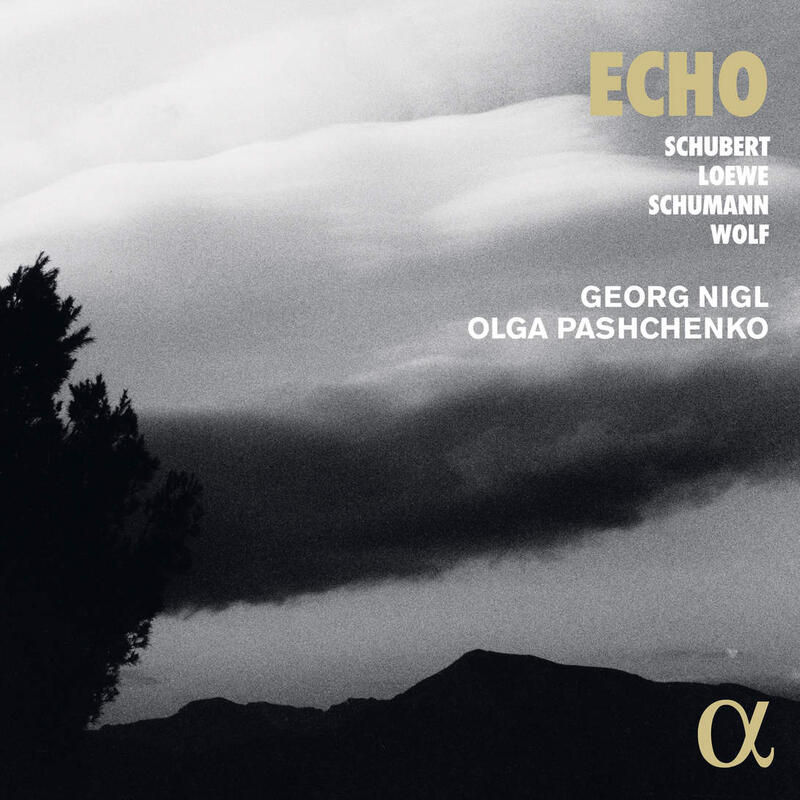
Echo
Songs and ballades by Franz Schubert,
Carl Loewe, Robert Schumann and Hugo Wolf
Georg Nigl, baritone | Olga Paschenko, piano
Label: Alpha | 2023
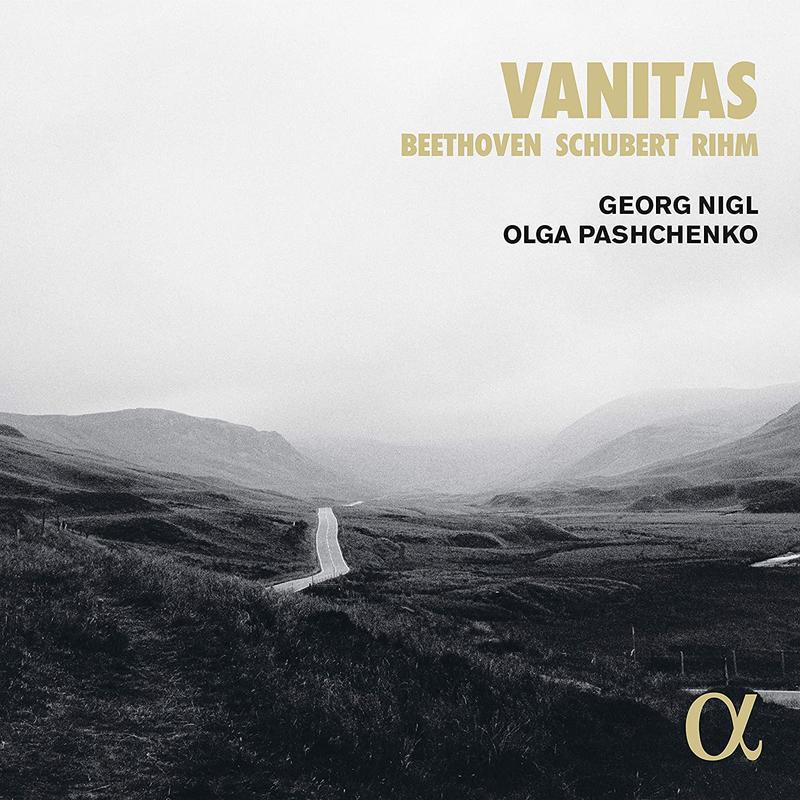
Vanitas
Franz Schubert: a selection of Lieder | Ludwig van Beethoven: An die ferne Geliebte op. 98
Wolfgang Rihm: Vermischter Traum (Gryphius-Stück)
Georg Nigl, baritone | Olga Paschenko, piano
Label: Alpha | 2020
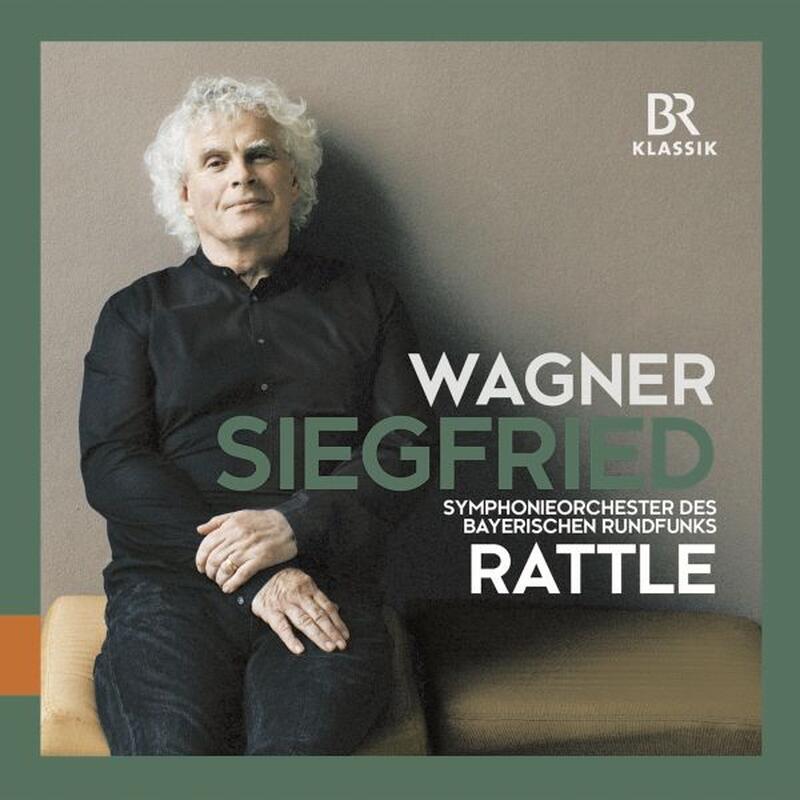
Wagner: Siegfried
Simon O’Neill (Siegfried), Peter Hoare (Mime), Michael Volle (Der Wanderer), Georg Nigl (Alberich)
Franz-Josef Selig (Fafner), Danae Kontora (Waldvöglein), Gerhild Romberger (Erda), Anja Kampe (Brünnhilde)
Symphonieorchester des Bayerischen Rundfunks
Conductor: Sir Simon Rattle
Label: BR Klassik | 2023
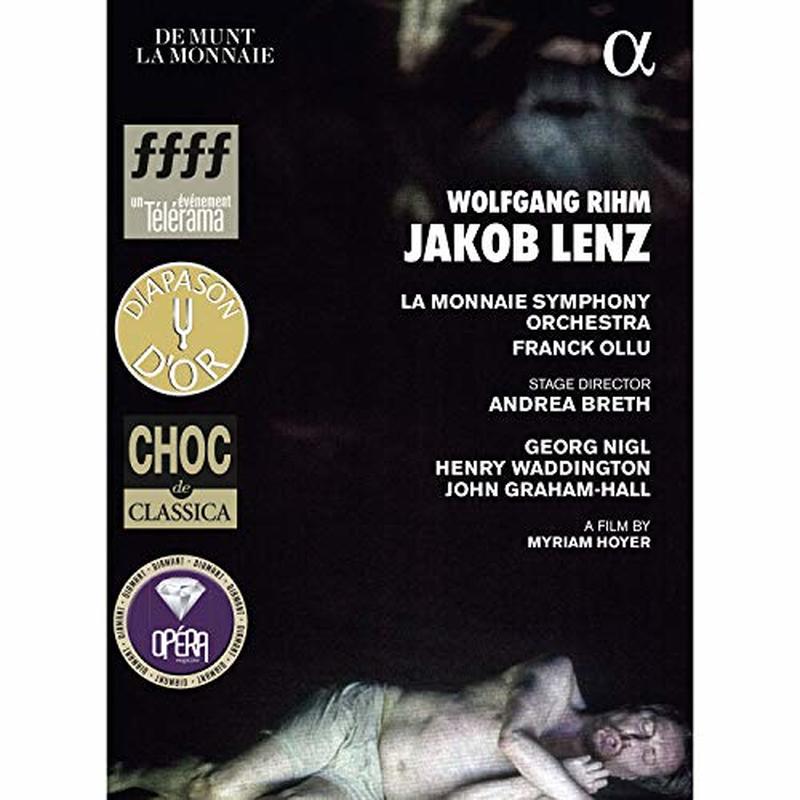
Rihm: Jakob Lenz
Georg Nigl, Henry Waddington, John Graham-Hall
Orchestre Symphonique de la Monnaie
Conductor: Franck Ollu
Label: Alpha | 2019





CALENDAR
Johann Sebastian Bach: Messe h-Moll, BWV 232
Trine Lund, Soprano
Marianne Beate Kielland, Mezzosoprano
Michael Schade, Tenor
Georg Nigl, Baritone
Concentus Musicus Wien
Wiltener Sängerknaben
Stefan Gottfried, Conductor
Wolfgang Amadeus Mozart : Così fan tutte KV 588
Galina Averina, Fiordiligi
Emilie Renard, Dorabella
Jeremy Ovenden, Ferrando
Benjamin Appl, Guglielmo
Judith van Wanroij, Despina
Georg Nigl, Don Alfonso
Les Talens Lyriques
Christophe Rousset, artistic direction
Wolfgang Amadeus Mozart : Così fan tutte KV 588
Galina Averina, Fiordiligi
Emilie Renard, Dorabella
Jeremy Ovenden, Ferrando
Benjamin Appl, Guglielmo
Judith van Wanroij, Despina
Georg Nigl, Don Alfonso
Les Talens Lyriques
Christophe Rousset, artistic direction
Franz Schubert: Schwanengesang D 957
Christine Lavant – texts
Georg Nigl, baritone
Birgit Minichmayr, recitation
Olga Pashchenko, fortepiano
Luigi Nono: Il canto sospeso
Luigi Dallapiccola: Il prigioniero
Caroline Wettergreen, Soprano
Freya Apffelstaedt, Contralto
Robin Tritschler, Tenor
Tobias Moretti, Recitation
Tanja Ariane Baumgartner, The Mother
Georg Nigl, The Prisoner
John Daszak, The Jailer / The Grand Inquisitor
Bavarian Radio Chorus
Peter Dijkstra, Chorus Master
ORF Vienna Radio Symphony Orchestra
Maxime Pascal, Conductor
CONTACT
Representation: World
- Helga Machreich-Unterzaucher
- +43 (0)5 06 80-012
- machreich@machreich-artists.com